Diazepam (Valium) for Dogs: Emergency Seizure & Anxiety Uses
When your dog is seizing uncontrollably or trembling with anxiety, diazepam (Valium) can be a lifesaver. This fast-acting medication is one of the most important tools vets reach for during emergencies. But it's also one of the most misunderstood—especially when it comes to how it works, what it's actually good for, and why your vet won't prescribe it long-term.
Let's walk through what diazepam really does, when it's genuinely necessary, and what you need to know to keep your dog safe.
What Is Diazepam (Valium)?
Diazepam is a benzodiazepine—a class of medications that calm the central nervous system. It works by enhancing GABA (gamma-aminobutyric acid), a neurotransmitter that tells your dog's brain to pump the brakes on overactive nerve signals.
Think of your dog's brain during a seizure as an electrical storm. Diazepam acts like a lightning rod, grounding that chaos and stopping the misfiring. For anxiety, it works similarly—dampening the "threat alarm" that's stuck on high.
Veterinarians have used diazepam for over 50 years in emergency and anesthetic protocols. It's fast (IV works within seconds), reversible, and has a safety track record in dogs. That's why it's a staple in emergency clinics and vet hospitals worldwide.
Common Uses in Dogs
Diazepam serves several critical purposes in veterinary medicine, but not all are created equal in terms of appropriateness for home use.
Emergency Seizure Control (Status Epilepticus)
When a dog is stuck in a seizure—or seizing repeatedly without full consciousness between episodes—that's a medical emergency called status epilepticus. This can cause brain damage or death. Diazepam given IV or rectally is often the first-line emergency treatment because it stops seizures in 60–80% of dogs within minutes.
Your vet may send you home with rectal diazepam (as a gel) if your dog has a history of seizure clusters, with clear instructions on when to use it before hospital arrival.
Acute Anxiety Episodes
For a dog having a panic attack before a thunderstorm or during fireworks, oral diazepam can provide rapid relief—working within 30–60 minutes. It's genuinely helpful for acute situations.
Pre-Anesthetic Sedation
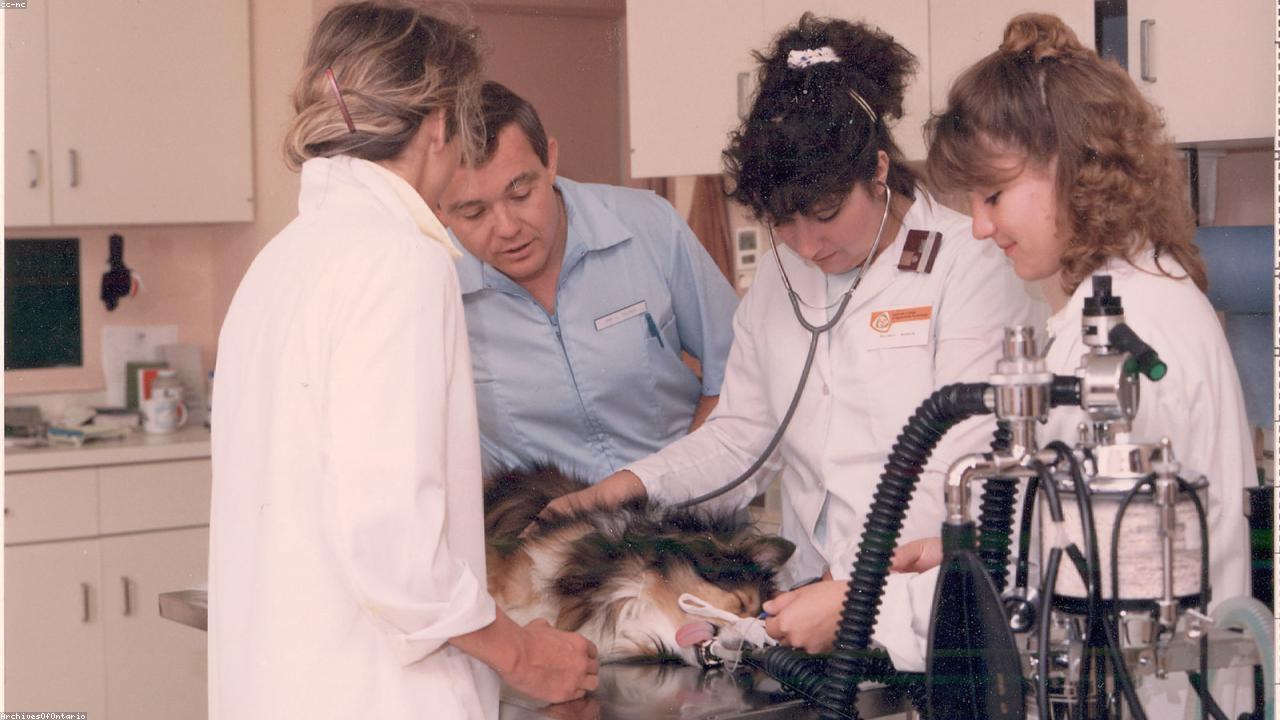
Diazepam calms dogs before surgery or procedures, reducing their stress response and making anesthesia safer. Vets commonly combine it with other medications for balanced sedation.
Muscle Relaxation
Dogs with severe muscle tension, strain, or spasticity may receive short-term diazepam to ease physical pain and promote recovery.
Appetite Stimulation
Paradoxically, diazepam sometimes stimulates appetite in dogs who've stopped eating due to stress or illness. This is usually a short-term benefit during crisis periods.
Diazepam Dosage for Dogs
Dosing depends entirely on route and indication. Always follow your vet's specific instructions—never adjust doses on your own.
Emergency IV/Intranasal Dosing
For active seizures, vets typically use 0.5–2 mg/kg IV, which works almost instantly. Some newer protocols use intranasal diazepam in emergency settings, offering faster access than waiting for IV placement.
Rectal Gel (Home Emergency Use)
If your vet prescribes at-home rectal diazepam, typical doses range from 0.5–1 mg/kg per dose. The gel form is specifically designed for rectal delivery and works within 5–15 minutes. Never attempt to give IV or intramuscular injections at home unless explicitly trained by your vet.
Oral Tablets/Liquid for Anxiety
For acute anxiety, doses typically fall between 0.25–2 mg/kg, given 1–2 times daily short-term only. A 50-pound dog might receive 5.5–11 mg per dose.
Available Forms
- Injectable (for vets only)
- Rectal gel (Diastat AcuDial or equivalent)
- Tablets (2 mg, 5 mg, 10 mg)
- Liquid solution (compounded for dogs)
Never split or crush tablets unless your compounding pharmacist says it's safe for that specific formulation.
Side Effects
Most dogs handle short-term diazepam well, but side effects do happen—and some matter more than others.
Common Reactions
Heavy sedation is expected and usually desirable during emergencies. Your dog may seem drunk, uncoordinated (ataxia), or confused for several hours. A few dogs paradoxically become excited or anxious instead, which your vet should know about.
Mild loss of appetite, mild GI upset, or increased thirst are occasional and usually resolve quickly.
Rare but Serious: Liver Issues
Diazepam is metabolized by the liver, and in rare cases—particularly in certain breeds like Australian Cattle Dogs, Collies, and some Shepherds—it can cause idiosyncratic hepatotoxicity (liver damage). This is very uncommon but serious when it happens.
Vets typically check liver enzyme levels (ALT, AST) if your dog requires repeated doses or longer-term use. Signs of liver trouble include vomiting, diarrhea, lethargy, jaundice (yellowish gums/whites of eyes), or loss of appetite.
Dependence and Tolerance
Regular use leads to tolerance within days—meaning the dose becomes less effective. Abrupt stopping after weeks of use can trigger rebound seizures or anxiety, so diazepam must be tapered under vet supervision if prescribed beyond short-term emergency use.
Why Diazepam Isn't for Long-Term Use
This is the critical distinction many dog owners miss. Diazepam is an emergency and acute-situation drug, not a maintenance medication.
Tolerance develops fast. Dogs typically show reduced effectiveness within 5–7 days of continuous use. Your vet would need to keep increasing the dose to maintain the effect—an unsustainable spiral.
Dependence risk increases. Long-term benzodiazepines can create physical dependence, meaning your dog's nervous system adapts to the drug's presence. Stopping abruptly can trigger severe rebound anxiety or seizures.
Better alternatives exist. For ongoing anxiety, gabapentin and trazodone are safer, non-habit-forming choices that don't lose effectiveness over time. For chronic seizures, phenobarbital or levetiracetam (Keppra) are the maintenance standards.
This is why your vet may prescribe diazepam once for an acute episode, then switch to something else if your dog needs ongoing help. That's good medicine, not a red flag.
When to Call Your Vet
Seizure-Related Emergencies
If your dog has a seizure lasting more than 5 minutes, or multiple seizures within a short time, head to the vet or emergency clinic immediately. This is when home rectal diazepam (if you've been given it) becomes appropriate—administer it per instructions and head in while it's working.
At-Home Rectal Diazepam Instructions
Only use if your vet has specifically prescribed it for seizure clusters. Wear gloves, have your dog in a safe, calm space, and insert the applicator gently into the rectum. Keep the dog quiet for 10 minutes afterward. Call your vet or emergency clinic immediately—don't wait to see if it worked.
Signs of Liver Concern
Vomiting, diarrhea, lethargy, jaundice, or unusual lack of appetite during or after diazepam use warrant an immediate vet call. Liver blood tests may be needed.
Paradoxical Reactions
If your dog becomes more anxious, aggressive, or hyperactive on diazepam instead of calmer, contact your vet. This uncommon reaction means diazepam isn't right for your dog, and alternatives are needed.
Frequently Asked Questions
Can I give my dog human Valium prescribed to me?
No. Never share human medications with your dog. Dosing is different, formulations matter, and your vet won't know your dog received it—risking drug interactions or missed diagnoses. Get a separate prescription from your vet.
Why did my vet switch my dog from diazepam to something else?
Likely because your dog needed longer-term anxiety or seizure management. Diazepam isn't meant for daily use beyond a week or two. Gabapentin, trazodone, or prescription seizure medications are safer for the long haul.
Is diazepam safe for all breeds?
Mostly yes, but some breeds carry higher risk for liver issues (Australian Cattle Dogs, Collies, Shelties, some Shepherd mixes). If your dog is in a higher-risk breed and needs diazepam, your vet will likely monitor liver enzymes closely.
How do I give rectal diazepam at home?
Wash your hands and put on gloves. Have the applicator or syringe ready. Place your dog in a standing or side position in a calm space. Gently insert the applicator into the rectum (about 1 inch for small dogs, 2 inches for large dogs) and administer the dose. Keep your dog quiet for 10 minutes. Call your vet or emergency clinic immediately—rectal diazepam is only given when you're heading to professional care.
Conclusion
Diazepam is a powerful tool in your vet's emergency kit, and sometimes in yours. When your dog is seizing or in acute crisis, it can mean the difference between recovery and tragedy.
But it's not a long-term solution, not a cure, and not something to ask your vet to prescribe "just in case" for everyday anxiety. That path leads to tolerance, dependence, and wasted money on a medication that won't work anymore.
Work with your vet to understand when diazepam makes sense for your dog, and when safer, longer-term options are the smarter choice. That partnership—respecting diazepam's power and its limits—is what keeps your dog safest.
Related Reading:
- Gabapentin for Dogs: Uses, Dosage & Side Effects
- Gabapentin vs Trazodone for Dogs
- Phenobarbital for Dogs
- Tramadol for Dogs
- Trazodone for Dogs
Last updated: February 18, 2026
Try our free tool: Gabapentin Dosage Calculator for Dogs — Calculate gabapentin doses for dogs by weight and condition.
Explore our dog breed guides: Dog Breed Guides — Breed-specific health info, common conditions, and front-desk talking points for 200+ breeds.
Explore our pet medication guides: Pet Medication Guides — Dosage info, side effects, and client talking points for common veterinary medications.
Try our free tool: Veterinary Drug Dosage Calculator — Clinical dosage reference for common veterinary drugs.
Related: Gabapentin Dosage for Dogs: Weight-Based Guide, Gabapentin for Dogs: Uses, Dosage & Side Effects, Gabapentin vs Trazodone for Dogs: Which Is Better? Also see: Phenobarbital for Dogs: Seizure Medication Complete Guide, Tramadol for Dogs: Pain Relief Uses, Dosage & Side Effects, Trazodone for Dogs: Dosage, Side Effects & Safety.